
Space Efficiency Analysis
Our container matrix represents a systematic approach to storage optimization. Each configuration is analyzed for volumetric efficiency, accessibility, and visual coherence.

Glass Modules
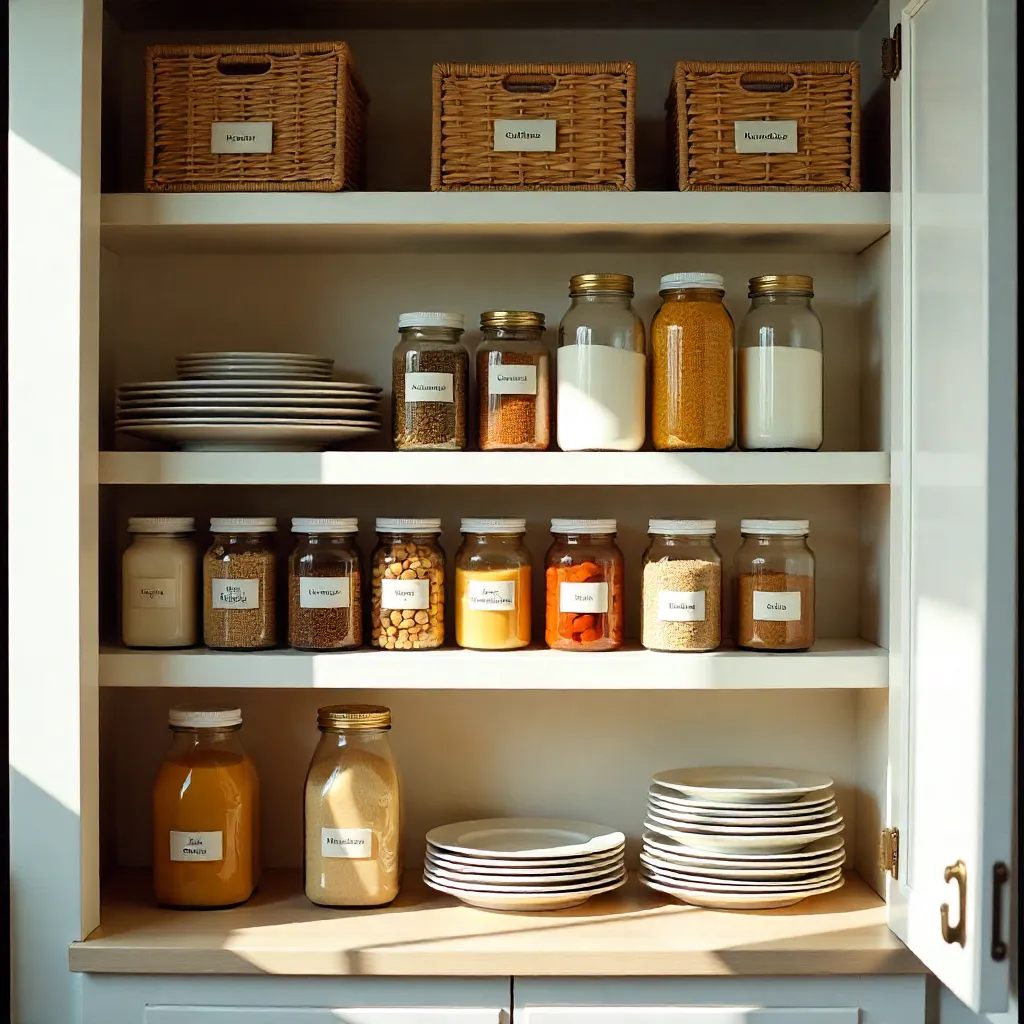
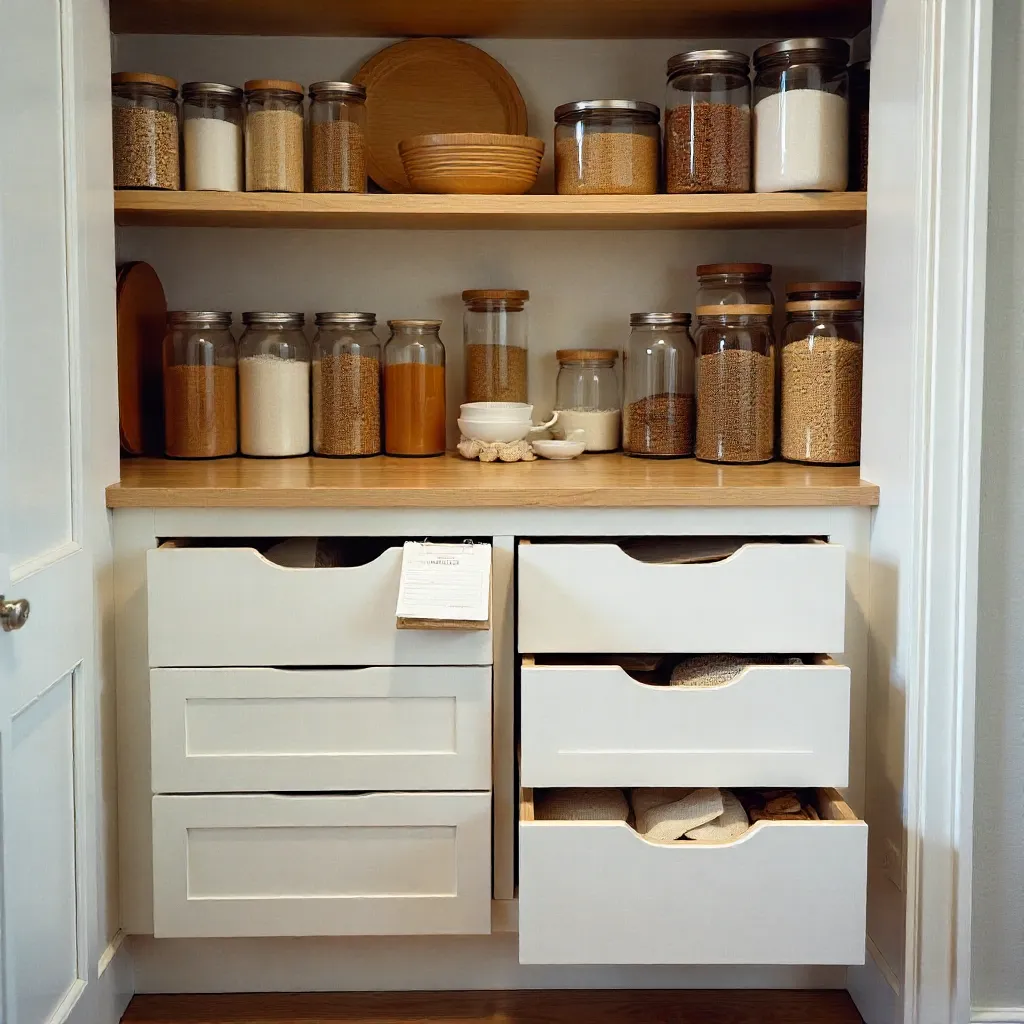
Transparent glass containers provide full visibility of contents while maintaining airtight seals. Ideal for dry goods and bulk items.
Efficiency Score: 92%
Acrylic Systems
Lightweight acrylic solutions offer durability and clarity. Modular design allows for flexible configuration adjustments.
Efficiency Score: 88%

Silicone Arrays
Flexible silicone containers adapt to irregular spaces. Perfect for maximizing corner and edge utilization.
Efficiency Score: 85%
Modular Configurations
Each storage system is designed as a modular unit. Containers can be rearranged and reconfigured as needs evolve.
Technical Parameters
Volume Calculations
Each container size is calculated based on standard ingredient volumes and frequency of use. Common sizes include 500ml, 1L, 2L, and 4L capacities.
Standardized sizing ensures compatibility across the system.
Stacking Efficiency
Containers are designed with interlocking capabilities and uniform heights. This allows for vertical stacking without wasted space.
Vertical utilization increases storage capacity by up to 40%.
Access Patterns
Container placement follows usage frequency patterns. Most-accessed items occupy prime locations, reducing retrieval time.
Ergonomic placement improves workflow efficiency.
Visual Density
The system maintains visual balance through consistent spacing and alignment. No single area appears cluttered or sparse.
Aesthetic coherence supports mental clarity and reduces decision fatigue.
Deployment Methodology
Assessment Phase
Current storage inventory is cataloged and measured. Space dimensions are documented for optimal container selection.
Design Phase
Container matrix is designed using volumetric calculations. Layout is optimized for both space efficiency and visual appeal.
Installation Phase
Containers are systematically placed according to the design plan. Labels and organizational markers are applied.